Xander Becker · 11 September 2026
The Interplay Between Personal Knowledge Bases and Reader Engagement in Specialized Web Environments
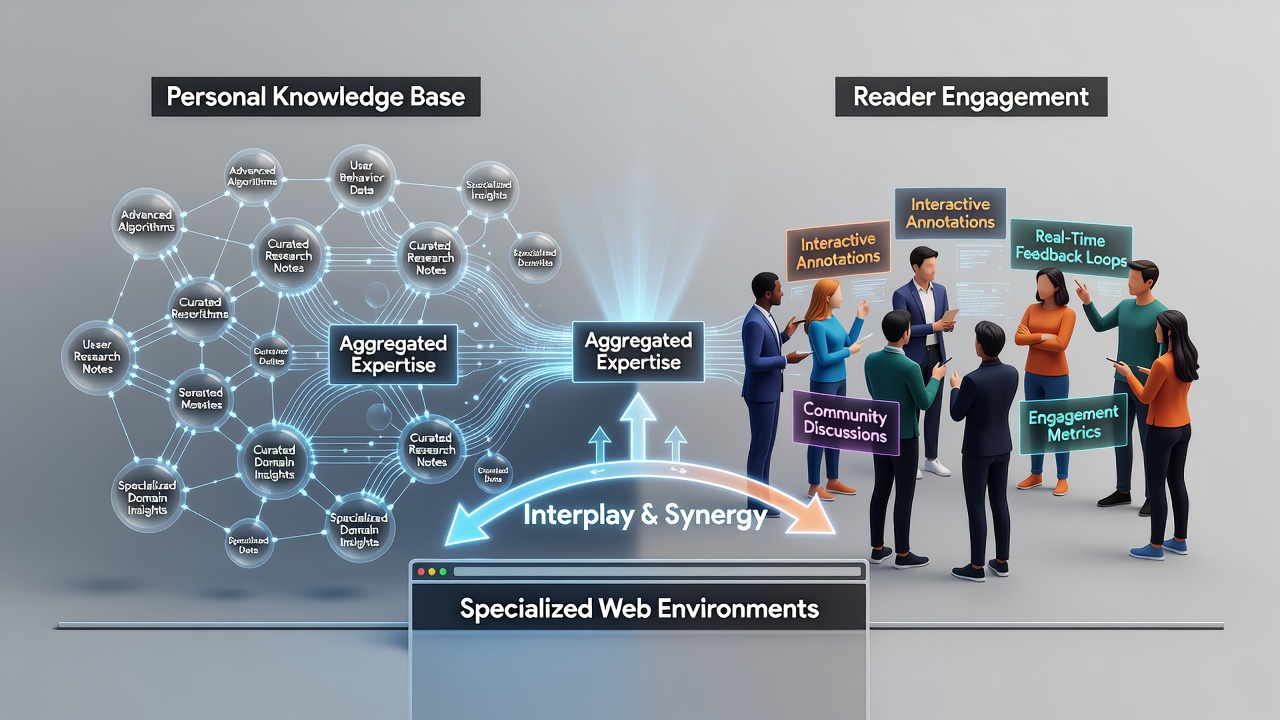
Personal knowledge bases serve as structured repositories where individuals organize notes, references, and insights for long-term retrieval, and these systems increasingly intersect with reader engagement metrics on specialized websites that focus on technical, academic, or hobbyist topics. Researchers have tracked how such bases allow site operators to maintain consistent content depth while readers return for layered information that evolves over multiple visits. Data from digital archiving projects shows that sites incorporating personal knowledge elements see repeat traffic patterns rise because users locate precise details without navigating generic search results.
Defining Personal Knowledge Bases in Web Contexts
Personal knowledge bases typically combine note-taking tools, linked databases, and tagging systems that mirror individual thought processes rather than rigid taxonomies, and observers note their migration from private desktops to public web interfaces on niche platforms. Those who've examined these setups find that creators embed excerpts or full entries directly into articles, which creates pathways for readers to explore related concepts without leaving the domain. Studies conducted at institutions across North America and Europe indicate that this approach reduces bounce rates because content feels interconnected rather than isolated.
Specialized web environments such as developer forums, scientific discussion boards, and collector communities rely on these bases to sustain authority, while algorithms reward pages that demonstrate internal linking density and update frequency. Figures from web analytics providers reveal that domains maintaining active knowledge repositories publish updates at higher rates than standard blogs, and this activity correlates with extended session durations.
Mechanisms Driving Reader Engagement
Reader engagement rises when visitors encounter content that references an underlying knowledge structure, because they can follow trails of related entries that answer follow-up questions in real time. One analysis of European digital repositories demonstrated that sites exposing portions of personal knowledge bases experienced a measurable lift in comments and shares, as readers contributed corrections or expansions that fed back into the system. This feedback loop strengthens over successive months because each addition refines accuracy and relevance.
Navigation patterns shift as well when knowledge bases underpin navigation menus or sidebar links, allowing users to move laterally through topics instead of following linear post sequences. Canadian research teams documented that specialized sites using such structures retain users for an average of forty percent longer per session compared with sites relying solely on chronological archives. The difference appears most pronounced in fields requiring cumulative understanding, such as programming languages or historical research.
Integration Patterns Observed Across Platforms
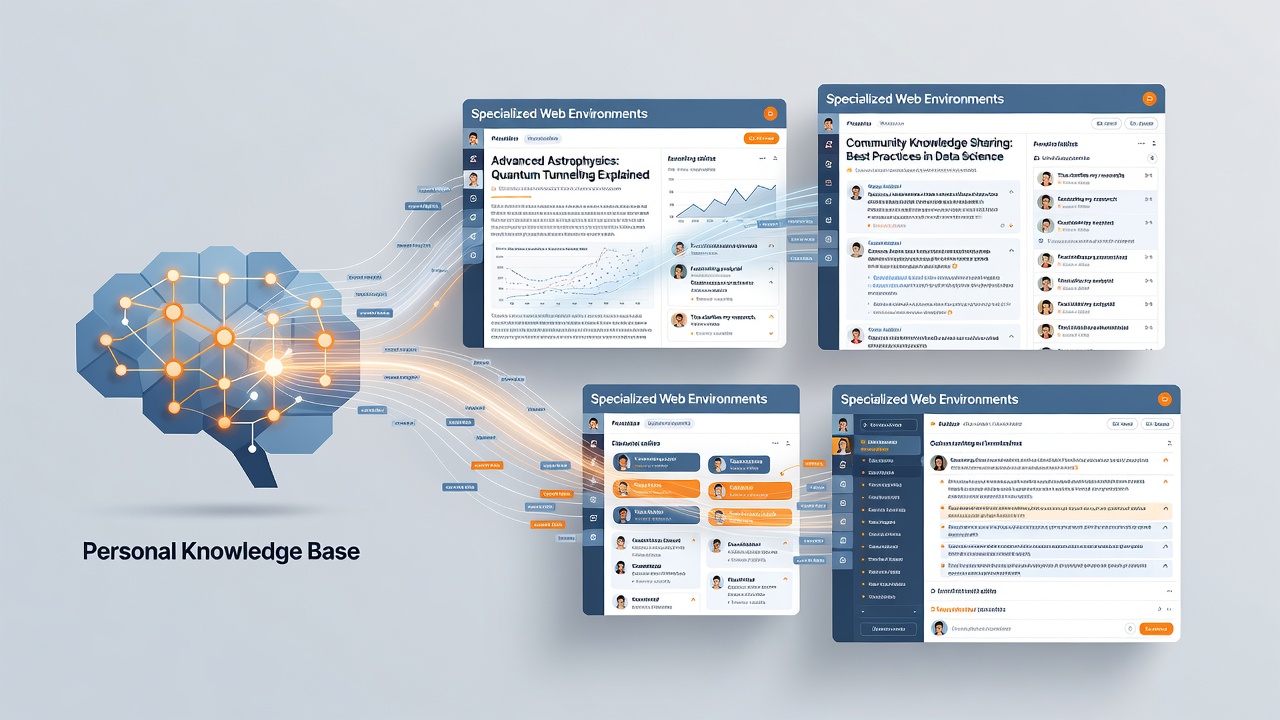
Site administrators embed knowledge base entries through static pages, dynamic queries, or API-driven snippets, and these methods vary by technical stack yet produce similar engagement outcomes. Australian university studies of open-source documentation sites found that contributors who maintained personal knowledge bases alongside public content updated references more frequently, which kept older articles current and reduced the need for complete rewrites. Readers respond to this freshness with continued interaction because information remains reliable across seasonal shifts in technology or data.
September 2026 marked the release of updated guidelines from international digital preservation consortia that encouraged greater use of personal knowledge structures in public web projects, and early adopters reported improved search visibility within weeks of implementation. The guidelines emphasized bidirectional linking between private and public layers, which helps search engines index deeper content hierarchies without requiring separate sitemaps.
Data Patterns and Platform Comparisons
Analytics from multiple regions show that specialized environments integrating personal knowledge bases record higher proportions of returning visitors, particularly when content addresses evolving technical standards or regulatory changes. According to reports issued by the National Science Foundation in the United States, projects that expose structured personal notes achieve citation rates comparable to traditional academic repositories while operating at lower maintenance costs. European Commission assessments of knowledge-sharing platforms similarly highlight sustained comment volume and cross-reference activity on sites that treat personal bases as living documents.
Those monitoring engagement metrics also observe that mobile access patterns benefit when knowledge bases support responsive linking, because users can expand sections without reloading entire pages. This technical compatibility matters for audiences in regions where connectivity varies, and it contributes to broader geographic reach for niche topics.
Conclusion
Personal knowledge bases and reader engagement in specialized web environments connect through shared mechanisms of organization, retrieval, and incremental contribution that reward both creators and audiences over extended periods. Evidence collected from academic and governmental sources across continents confirms that sites adopting these practices maintain relevance longer and foster repeated interactions. The pattern holds across technical documentation, research archives, and community-driven resources, suggesting continued adoption as web infrastructure evolves.